
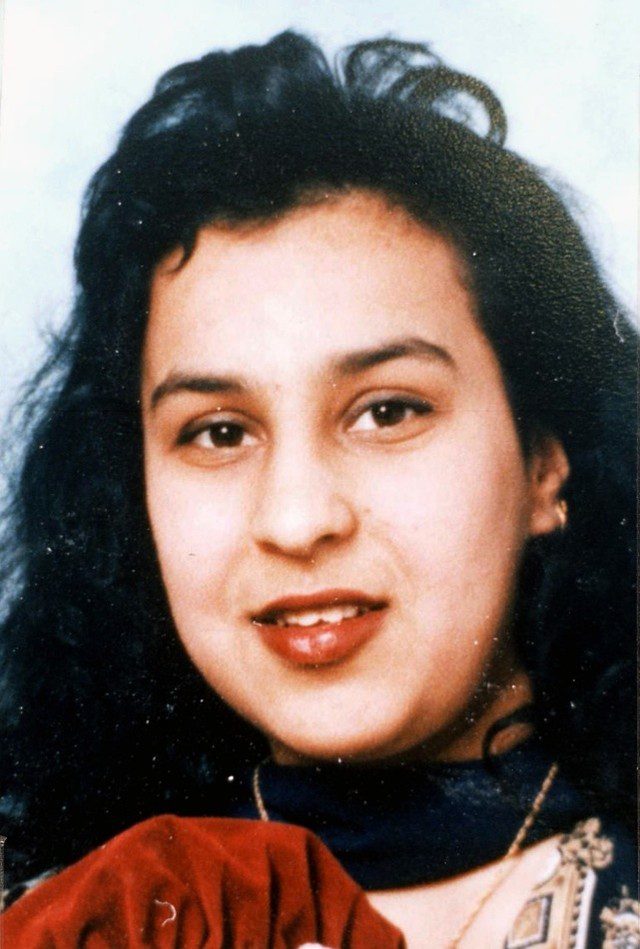
The 26th of March marks the 28th anniversary of the tragic death of Rukhsana Naz, a young woman whose life was sadly cut short in one of the UK’s most notorious honour-killings.
Her story remains a stark reminder of the dangers of forced marriage and the devastating consequences of rigid cultural expectations.
Born in 1978 and raised in Normanton, Derby, Rukhsana was a British-Pakistani whose early life appeared ordinary.
At 15 she was taken to Pakistan by her family and forced into marriage with a cousin she had only seen twice after.
When she returned to the UK, she began a relationship with her childhood sweetheart and later became pregnant.
Her family, determined that she stay in her arranged marriage, tried to force her to end the pregnancy.
Rukhsana refused.
On 26 March 1998, her mother and elder brother lured her away under the pretense of a family gathering and murdered her by ligature strangulation.
Her body was discovered in a field days later. She was just 19, seven months pregnant and already a mother to two young children.
Her mother, Shakeela Naz, and brother, Shazad Naz, were later convicted of murder and sentenced to life imprisonment at Nottingham crown court.
A second brother was acquitted.
The case drew national attention and highlighted the hidden dangers faced by women in communities where honour-based violence occurs.
Rukhsana’s death sparked important changes in the UK, including the creation of the Forced Marriage Unit and new awareness campaigns to protect vulnerable individuals.
Advocacy groups often cite her story as an example.
The urgent need for education, community awareness and support services for those at risk.
Charities such as Karma Nirvana have played a crucial role in supporting those at risk of similar abuse.
Founded in 1993, the organisation was the first specialist charity in the UK dedicated to helping victims and survivors of honour-based abuse and forced marriage.
It provides a national helpline, offers training to professionals, and works closely with government and policymakers to drive change .
Her story continues to remind us of the importance of safeguarding young people, promoting women’s autonomy, and challenging harmful traditions.
Decades later, her children and surviving family members carry the weight of her loss.
The anniversary of Rukhsana’s death serves as both a sombre remembrance and a reminder of the ongoing fight to challenge harmful traditions, support survivors and ensure that no one else suffers in the name of “Honour”.