
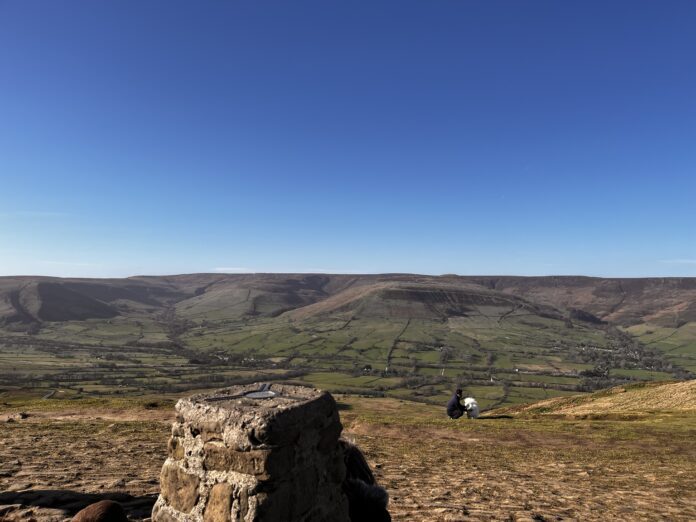
For years, many people have made it their goal and ambition to summit mountains, whether that be their local hill or travelling abroad to the earth’s highest points.
Historically, mountaineering has been a smaller activity
In the 1980s, it started to become recognised as a competitive sport, with the first event being held in Italy in 1985.
Since then its been on the up, seeing significant growth in recent years.
Whether it’s the Peak District right on our doorstep or the Himalayan mountain range in Nepal, these mountains share one thing. Their danger.
The question is, why are we seeing more deaths and close calls on these mountains and hills?
In 2020 by mid year in the lake district 15 deaths where recorded by the Mail in South Cumbria, if we look at summer of 2025 we saw an increase as 28 deaths where recorded by the Cumbria crack.
Well, one of the reasons I’ve already touched upon is its growth in popularity. The Climbing Business Journal (CBJ) reported that from 2014 to 2023, commercial climbing in the United States alone increased by 76%, highlighting just how rapidly risk to exposure is growing.
This creates more issues, and it does make sense if you have more people doing one thing, the likelihood and chances of these incidents, like death, will unfortunately go up.
I’m sure everyone is familiar with TikTok these days.
As a person who has a mountaineering algorithm on the app I do see many videos of people scaling the biggest of peaks
This could be a factor in the increase in danger, especially in the younger communities.
Young teenagers think they can scale Snowdon in their Nike Air Force and tech fleeces.
No, that’s not a dig at the younger community; it’s a dig at whoever is educating them on mountaineering.
Having all the gear is a great idea when it comes to reaching peaks, as it could be the difference between life and death.
Correct footwear with crampons if needed, extra layers in case of bad weather, sunglasses in case of heavy sun glare, a backpack to store things like fluids and medical equipment, waterproof clothing and even an ice pick if needed.
We are also, of course, seeing climate change, and for people who deny it, there is big proof that it’s having a dangerous effect on mountains.
It was only a few days ago that I was scrolling on my phone, and I saw a post by the BBC.
The post showed me that more than 100 people have died so far in this season of skiing due to avalanches.
You might ask what this has got to do with the climate, well, the answer is a lot.
Increased global warming causes ice to melt on mountains, which ultimately causes the snow and ice to become unstable and fall.
These avalanches are unstoppable and will wipe out most in their path, including hikers and skiers.
Even if we look nationally, the incidents happen not even in the biggest mountains in Europe.
In 2025, there were seven deaths in Snowdonia National Park in Wales.
Inexperience sometimes isn’t the cause either. Many people who die are seasoned professionals.
Maybe it’s bad luck, it could be a change of weather, or an unexpected slip. The bottom line is it’s just unpredictable.
So, what do the general hiking community think about the dangers?
I spoke to a local hiker. This is what they had to say.
“You must be prepared; anything can happen, and safe situations can change instantly.
You could be up the smallest hill in the Peak District, but the wrong gear mixed with a turn of weather can be dangerous”
I also asked if recent changes to the climate and horror stories should put people off mountaineering and hiking.
“Absolutely not its such a rewarding sport, but we must be more aware of the dangers as they grow and think before we push ourselves because one mistake is all it takes, especially at the top of mountains”
So, who is helping us?
Let’s look at England and Wales. New technology is enabling our mountain rescue teams to reach incidents and dangerous situations faster.
What I’m about to describe isn’t from a Marvel movie, it’s, in fact, real life.
Jet pack suits have been created and tested in the Lake District, allowing paramedics to get to the scene of incidents faster.
For me, this is such a breakthrough. These things can travel up hills at 32mph.
It’s basically Iron Man of the Lake District, and I’m here for it.
On a more serious note, this form of technology could save so many lives in medical emergencies.
If we keep moving with technology, we can ultimately make these deadly giants a safer place.
This sport deserves to grow, and I feel no one should be put off by the incidents that happen.