
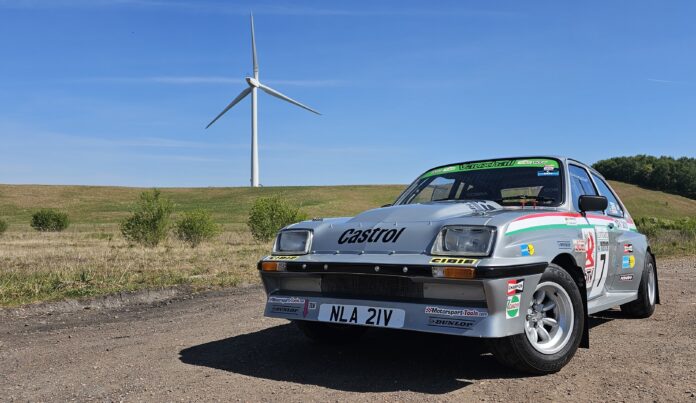
It has gone relatively unnoticed, but this year the Vauxhall Chevette celebrates 50 years since its introduction. It might not seem it – but the Chevette is one of the most important cars in British history.
The 1970s saw an influx of small European hatchbacks from the likes of Peugeot, Renault and Fiat.
Apart from the Mini, there were no direct British-made competitors.
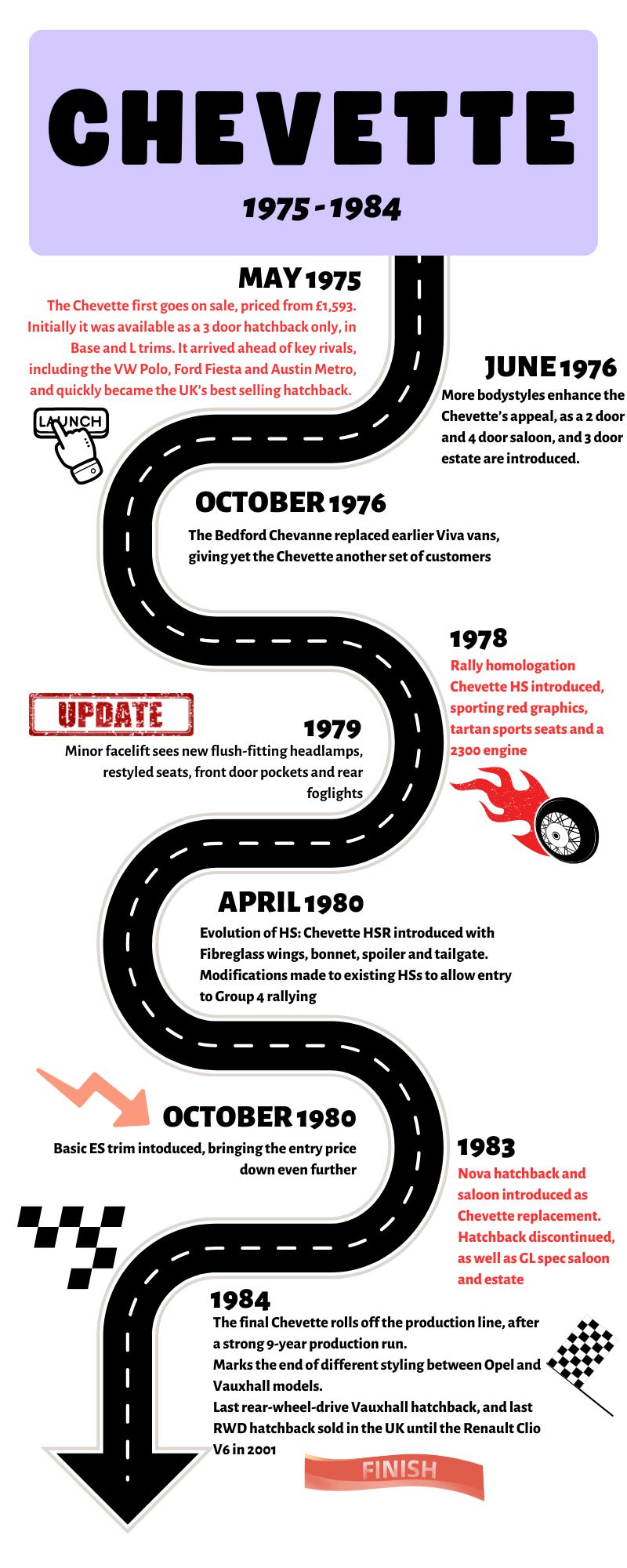
That changed in 1975, with the introduction of the Chevette, a car designed for and built entirely in the UK.
The concept
Vauxhall sales in the early 70s were floundering, with Ford dominating the charts.
Their losses went from around £2 million in 1969 to almost £9.5m in 1970, and the press were almost unanimous in their derision of Vauxhall’s Victor saloon.
The Victor’s criticism was still remembered when the third generation Cavalier was launched in 1988, which meant Vauxhall did not follow Opel with a name change to ‘Vectra’, as explained briefly here.
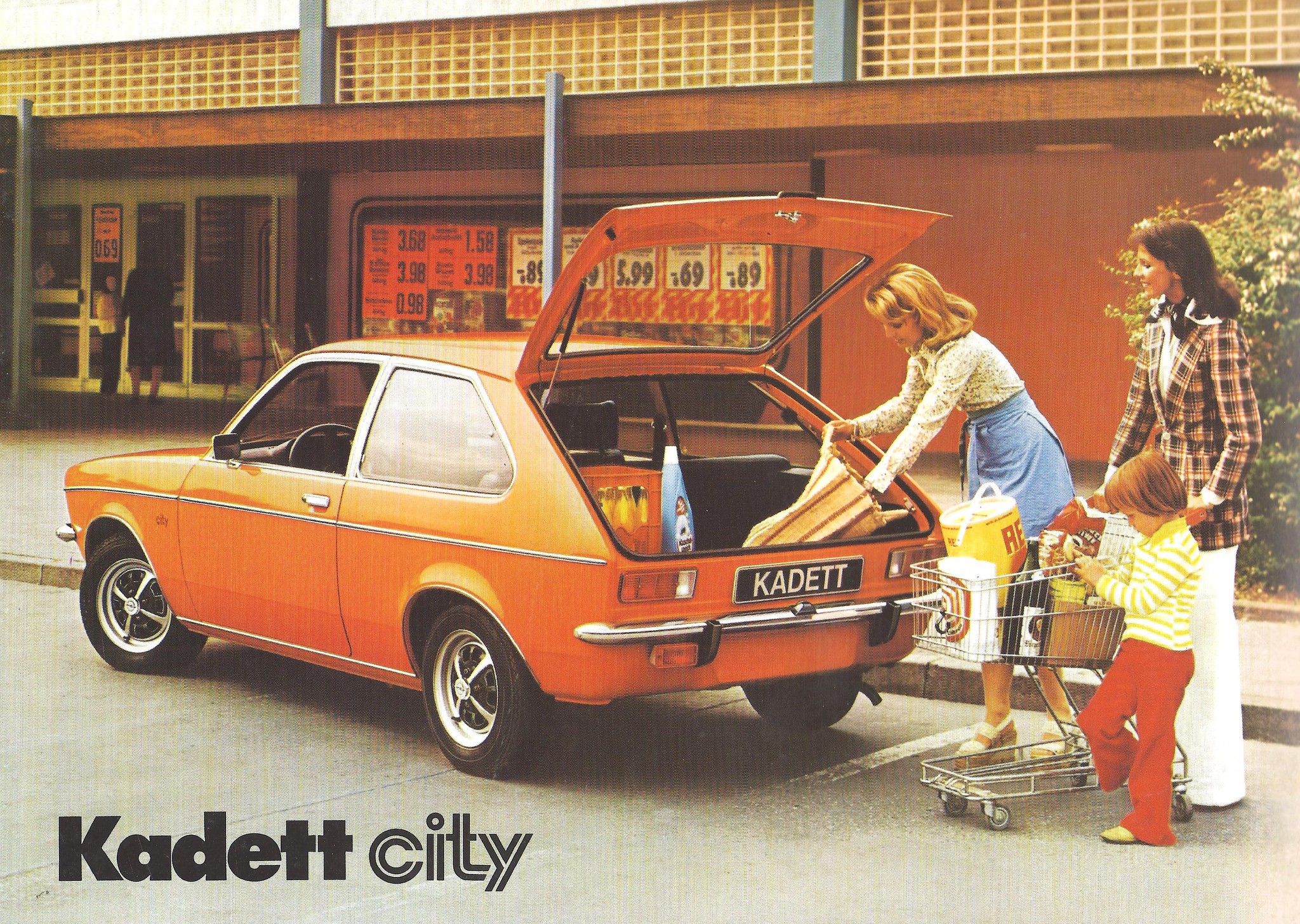
In the hope of turning their fortunes around, Vauxhall’s new hatchback was developed by Opel in Germany, and based on their Kadett model.
Vauxhall then developed a new front end more closely resembling their Firenza and Magnum, and a different dashboard.
They also slotted in the tried and tested 1.3 engine from the Viva, producing between 53 and 70hp.
The platform was also shared amongst Vauxhall’s owners General Motors’ other brands, known today as the ‘T-Cars’.
The Chevette and its launch
Vauxhall’s marketing department played a massive role in the early success of the Chevette.
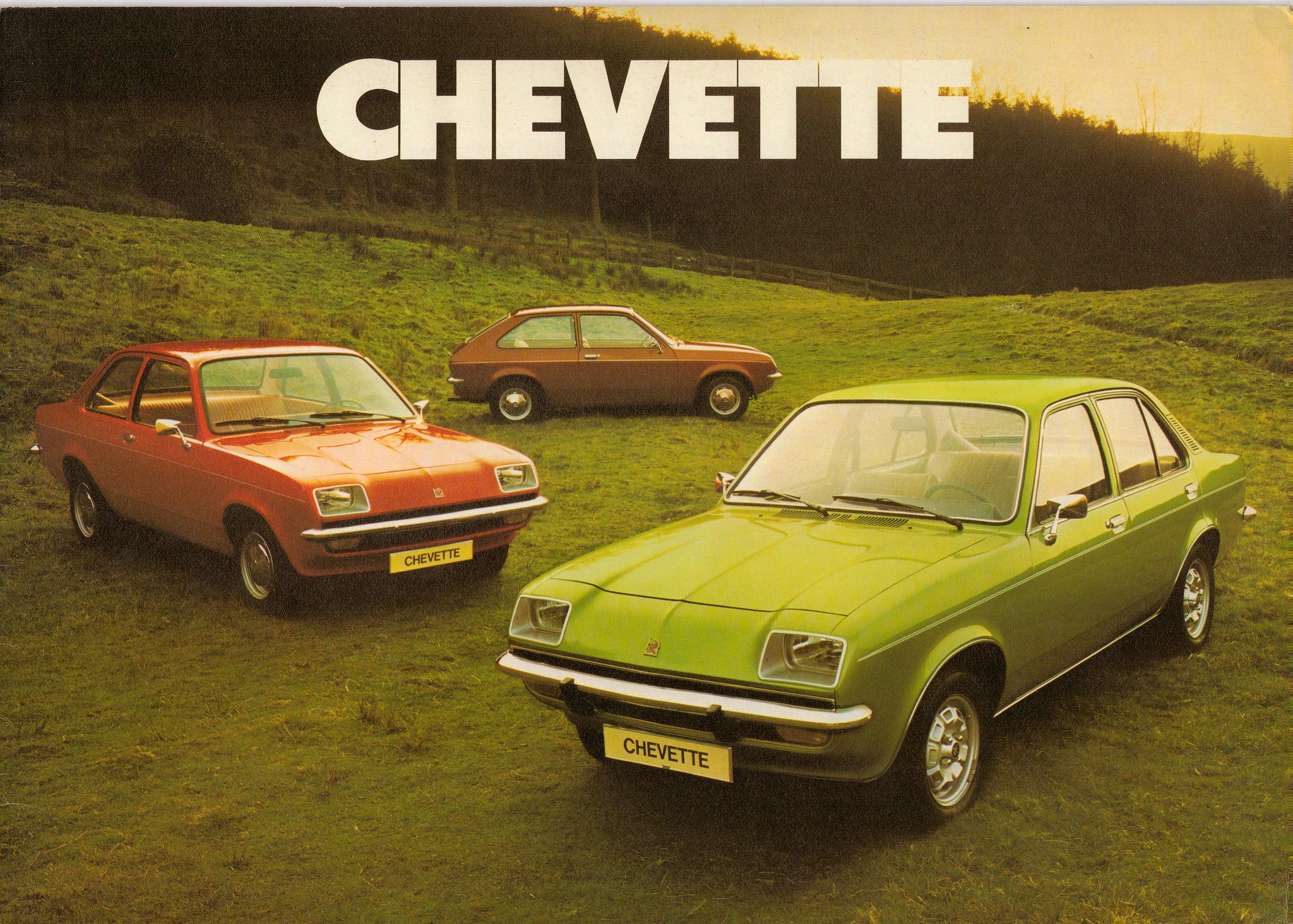
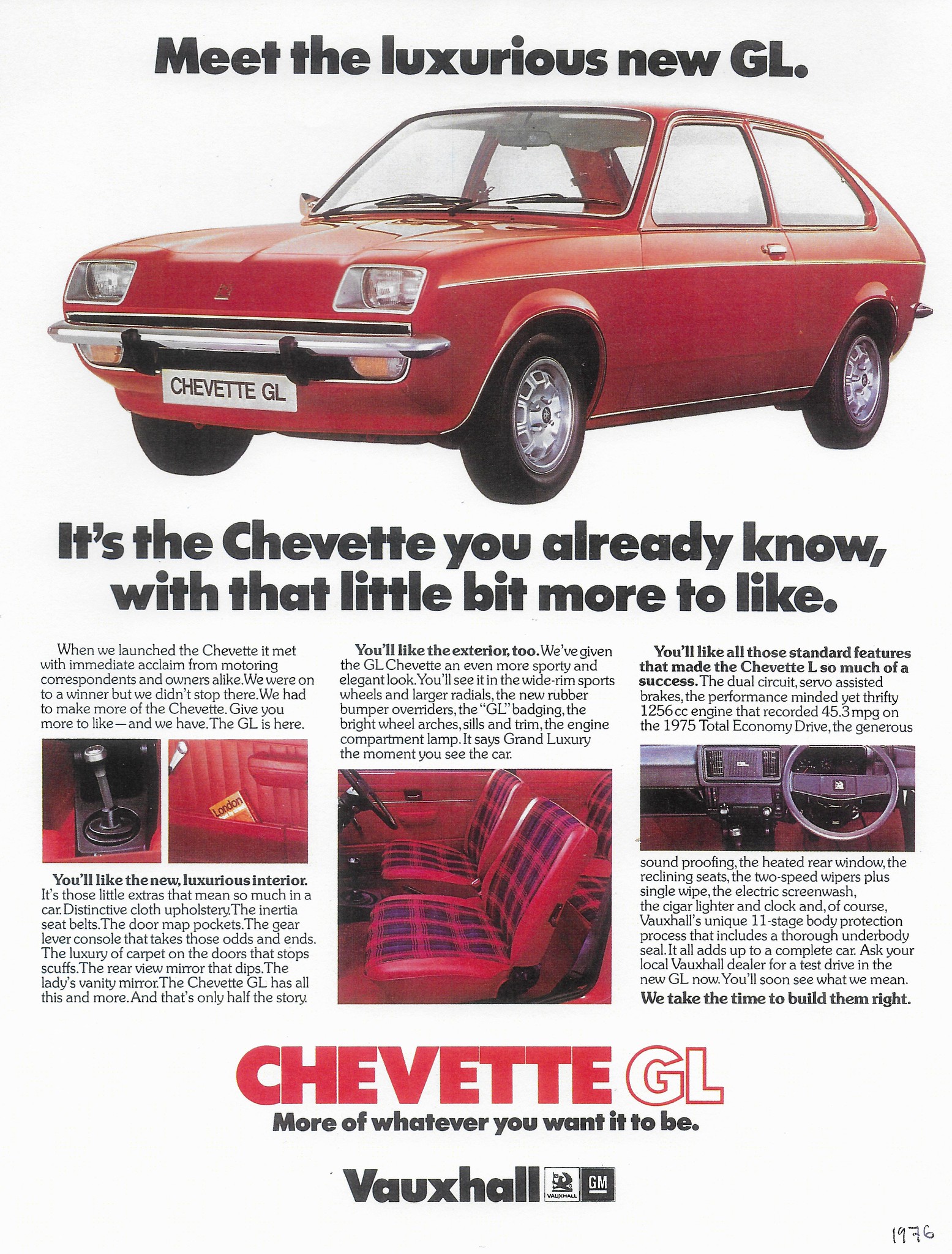
The brochure proudly stated: ‘It’s whatever you want it to be’, showing off the four different bodystyles and eventual seven trim variants.
Such an expansive range is very common now but, back in the 1970s, it was nearly unheard of.
There was a classic hatchback, a small but practical van, a three-door estate and a saloon.
None of the closest rivals had anywhere near the diversity of range that the Chevette had.
There was a Chevette for everyone: a basic ES hatchback for first time drivers, the L Estate with space for a young family and a luxurious GLS saloon featuring tartan cloth seats and sports road wheels, perfect for the sales rep.
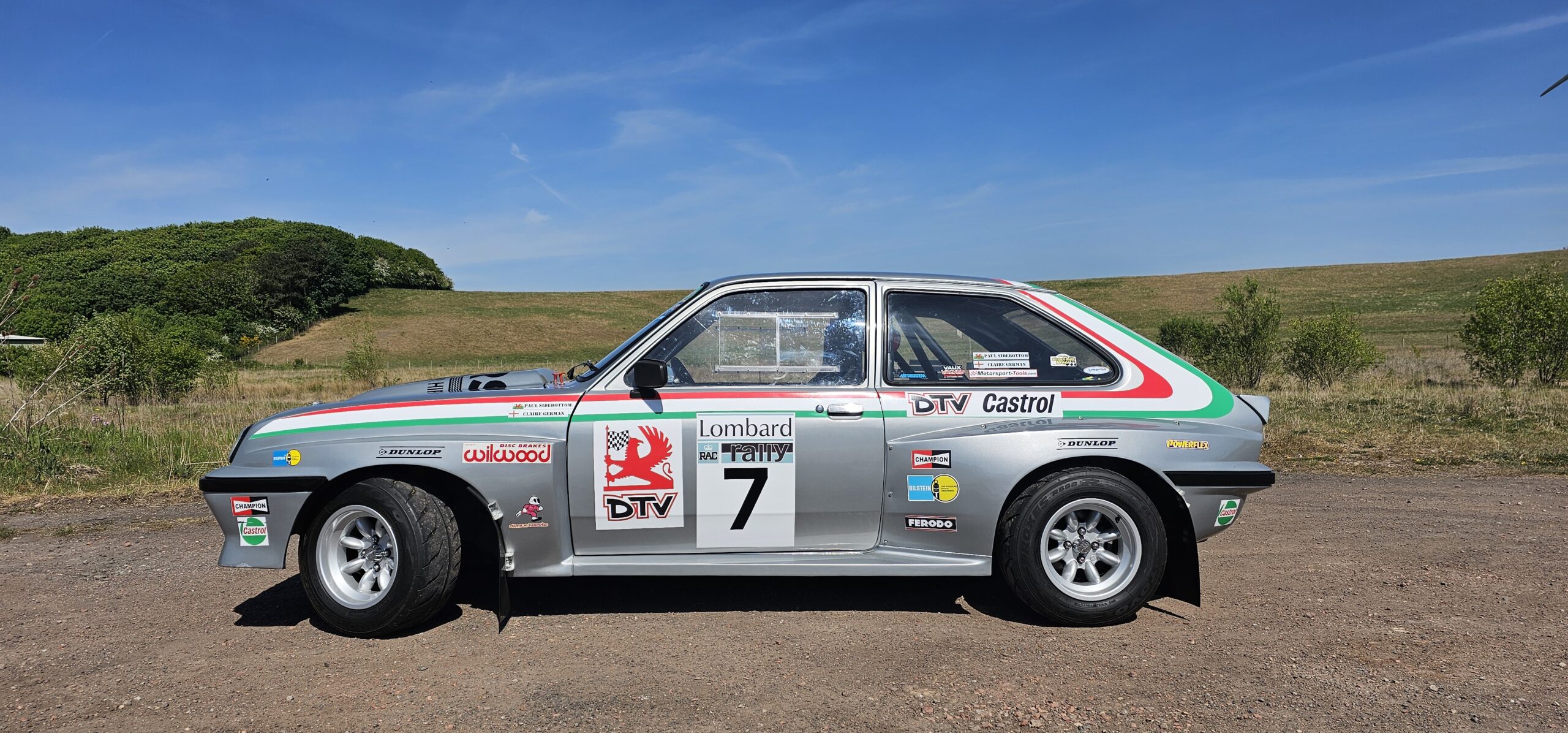
Even petrolheads had a version for them: the sporty Chevette 2300HS.
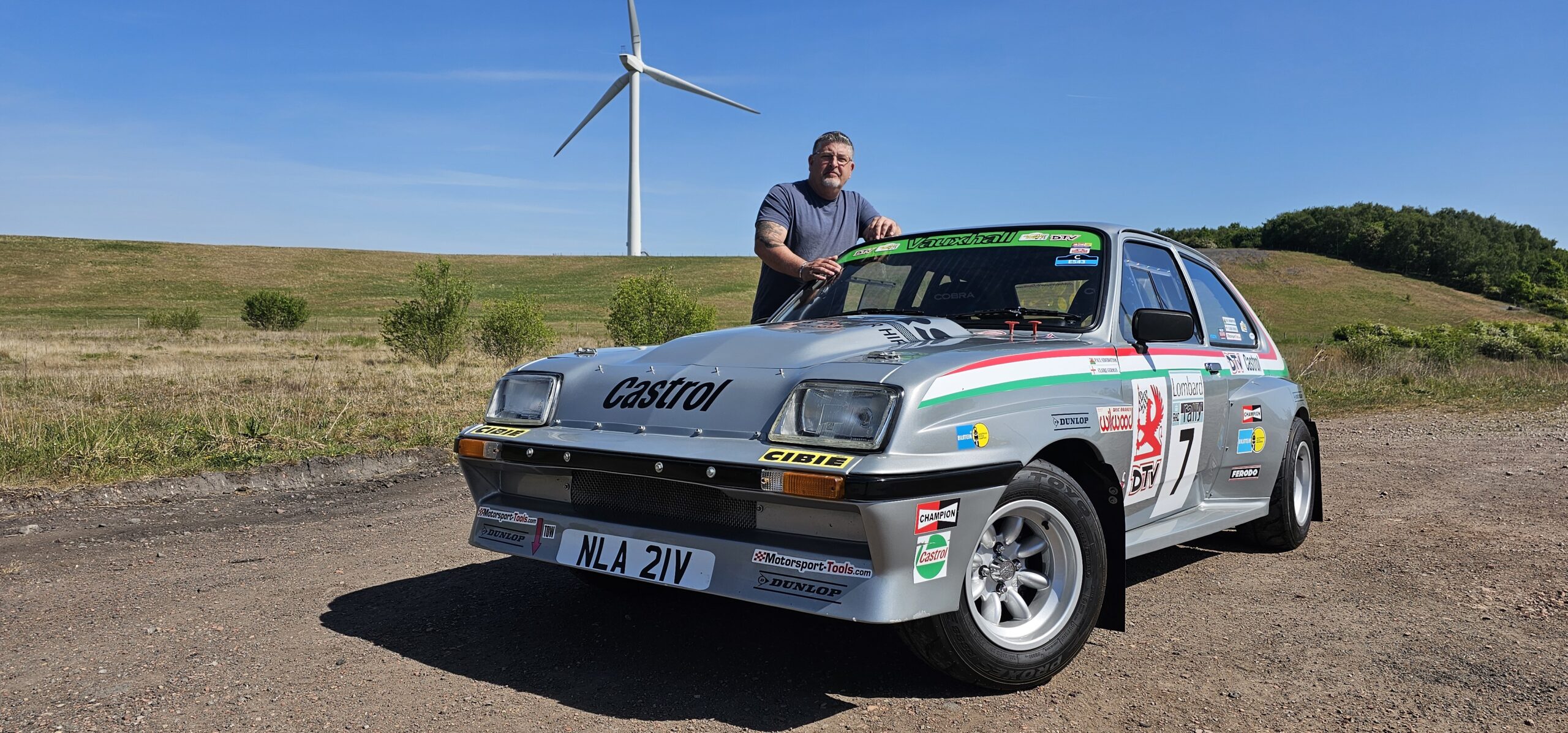
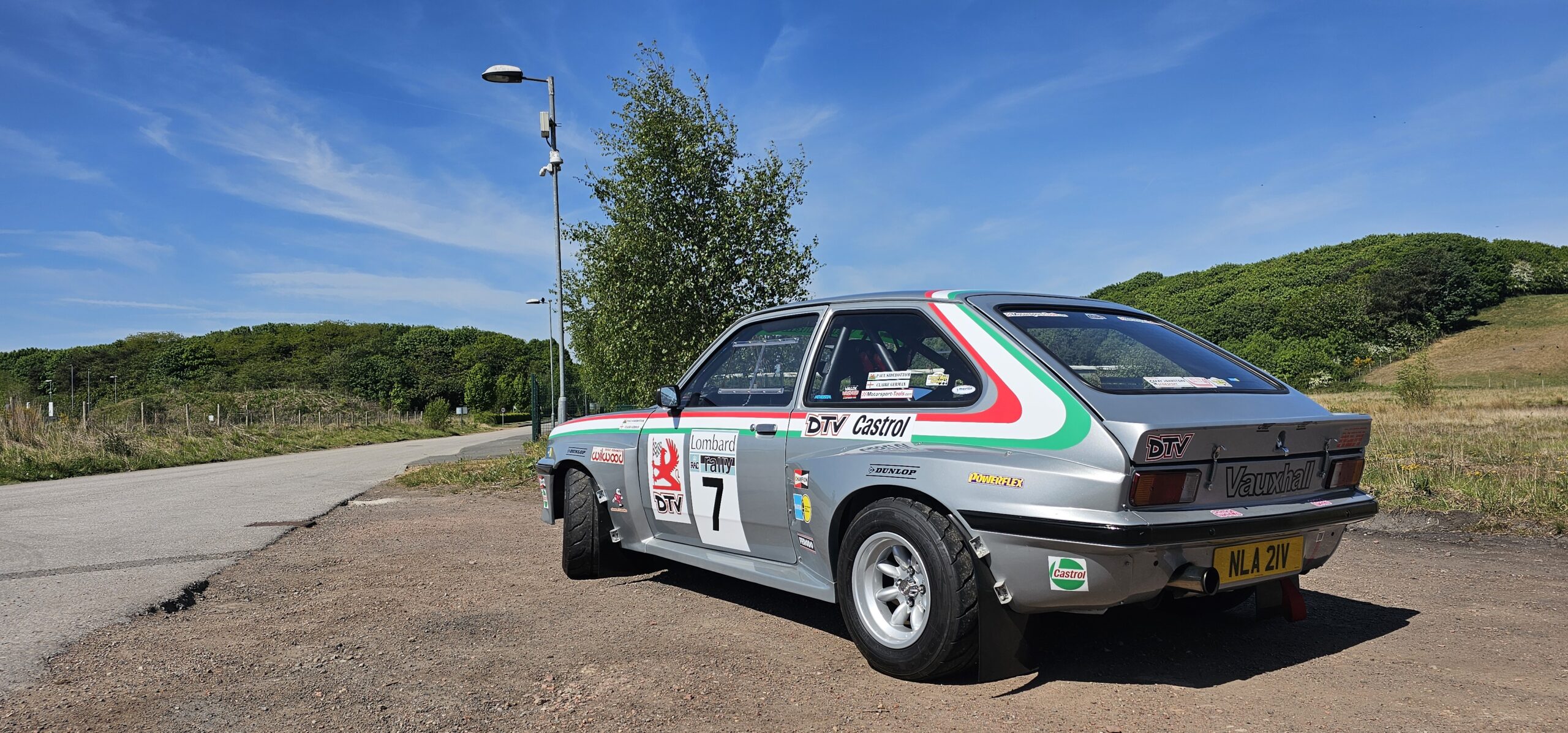
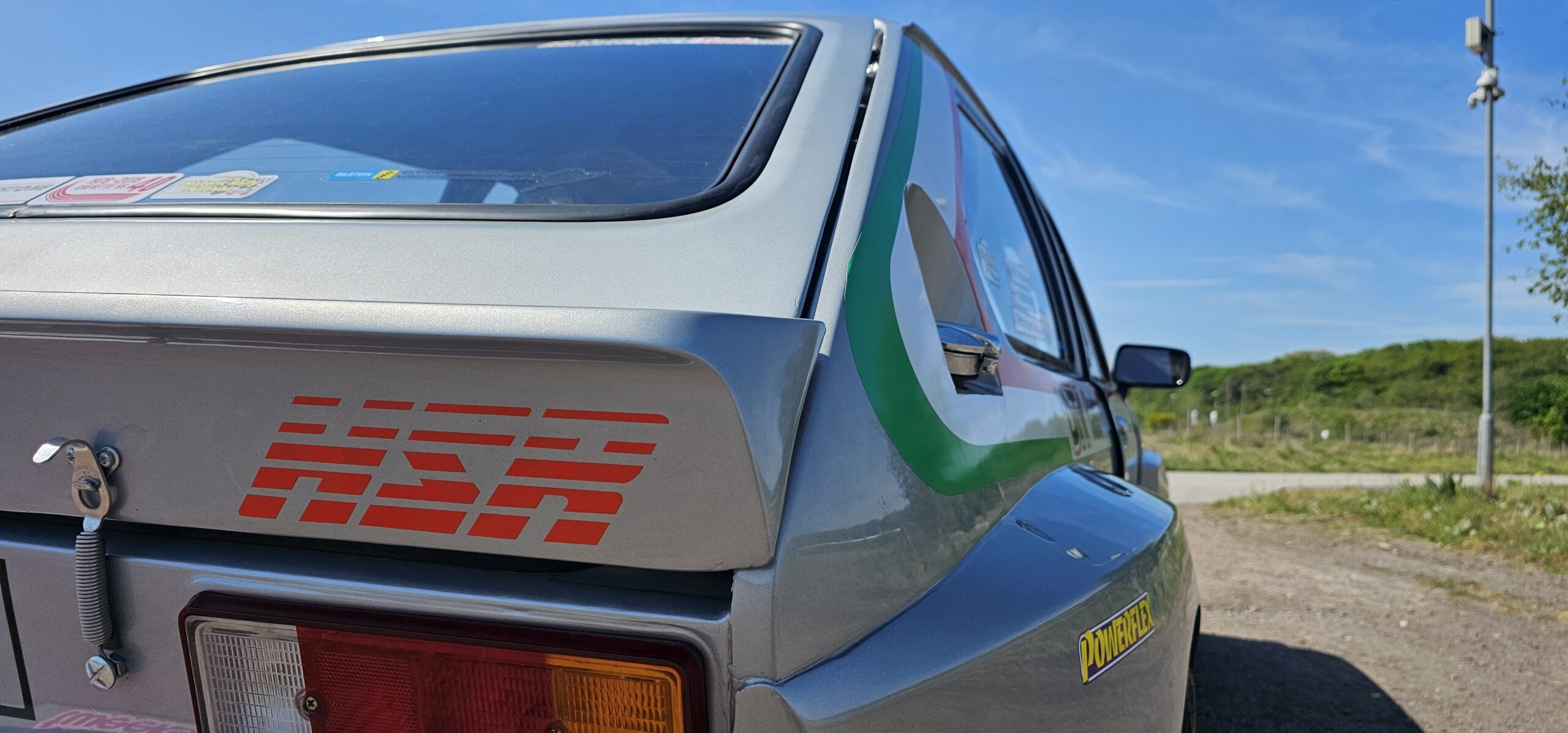
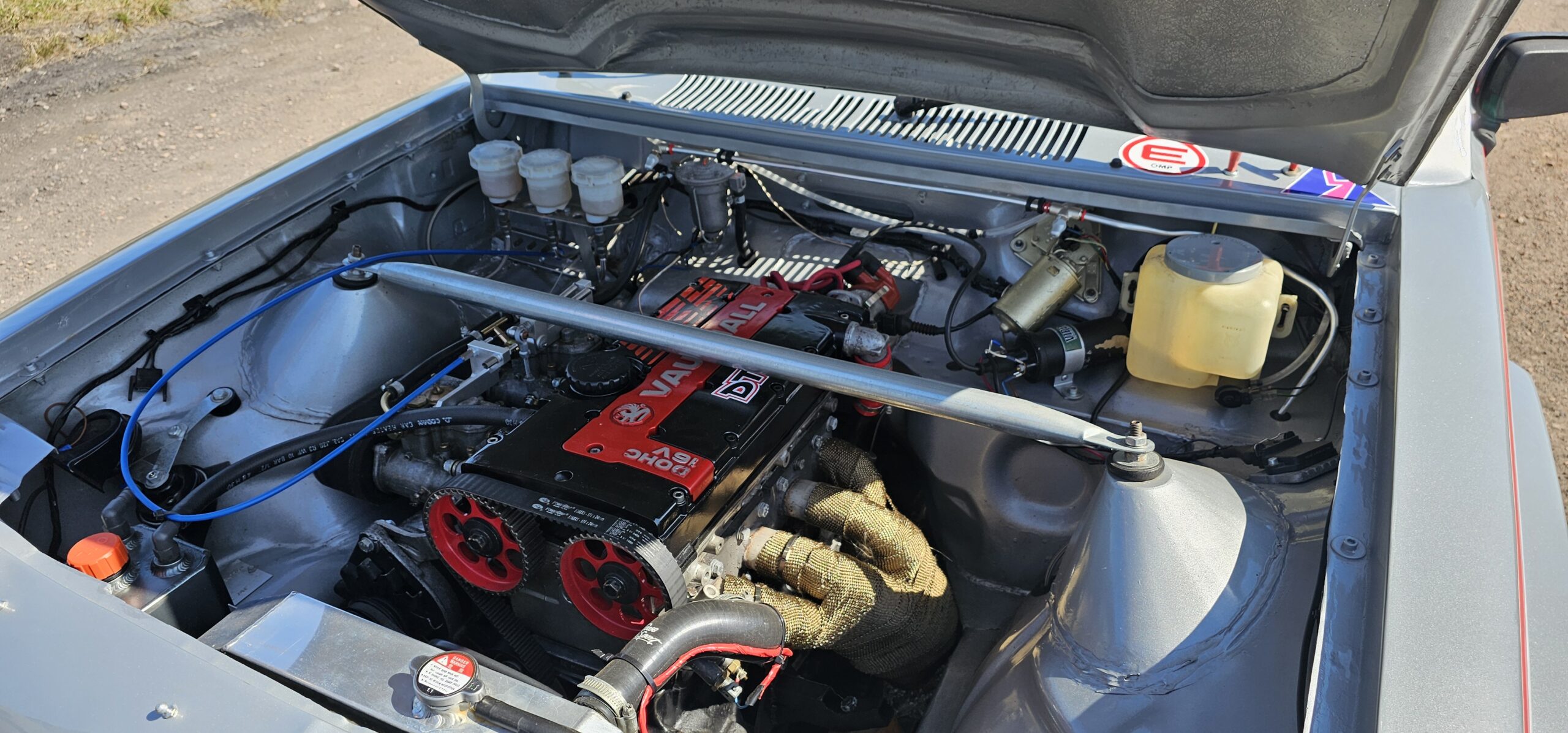
Built to homologate (approve) the car for rallying, the HS had a much larger engine than standard and racy red decals.
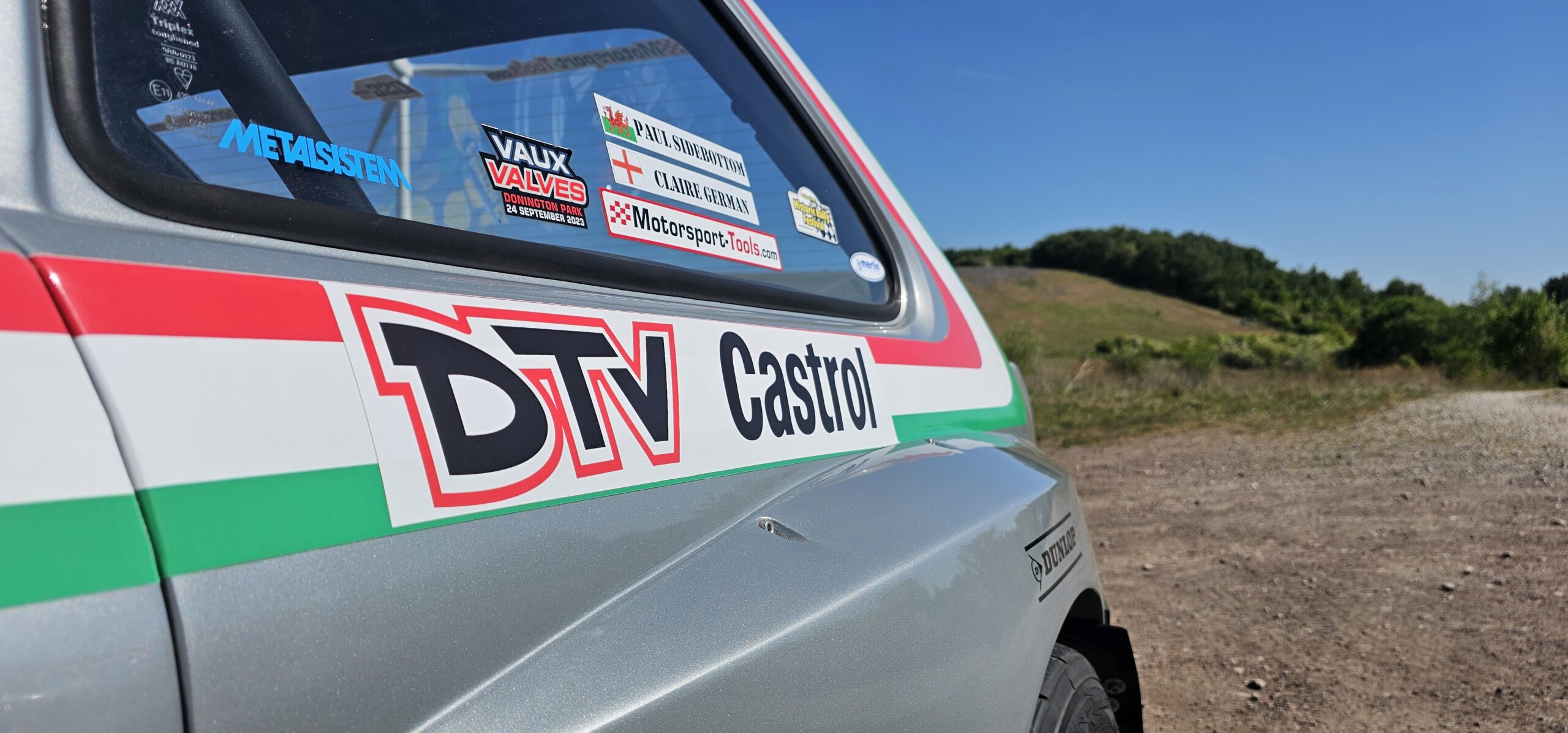
The Chevette raced for the Dealer Team Vauxhall (DTV), as Vauxhall themselves were barred by parent company General Motors from entering any motorsport events.
Whilst the HS was not as successful as the venerable Ford Escort, it brought a whole new crowd to the Chevette, and cemented its place in British motoring history.
Paul Sidebottom (52), from Bilsthorpe is a lifelong Vauxhall fan. His first car at 14 years old was an early Vauxhall Viva.
“I lived on a farm, so we were always messing about with motor cars, tractors and other machines.”
This gave birth to his passion for cars, and for Vauxhalls especially.
Since then, Paul has owned a further five Vauxhalls, including a Chevette.
He now owns two slightly rundown Vauxhall Magnums, which he hopes to utilise to make one like new Magnum Sportshatch.
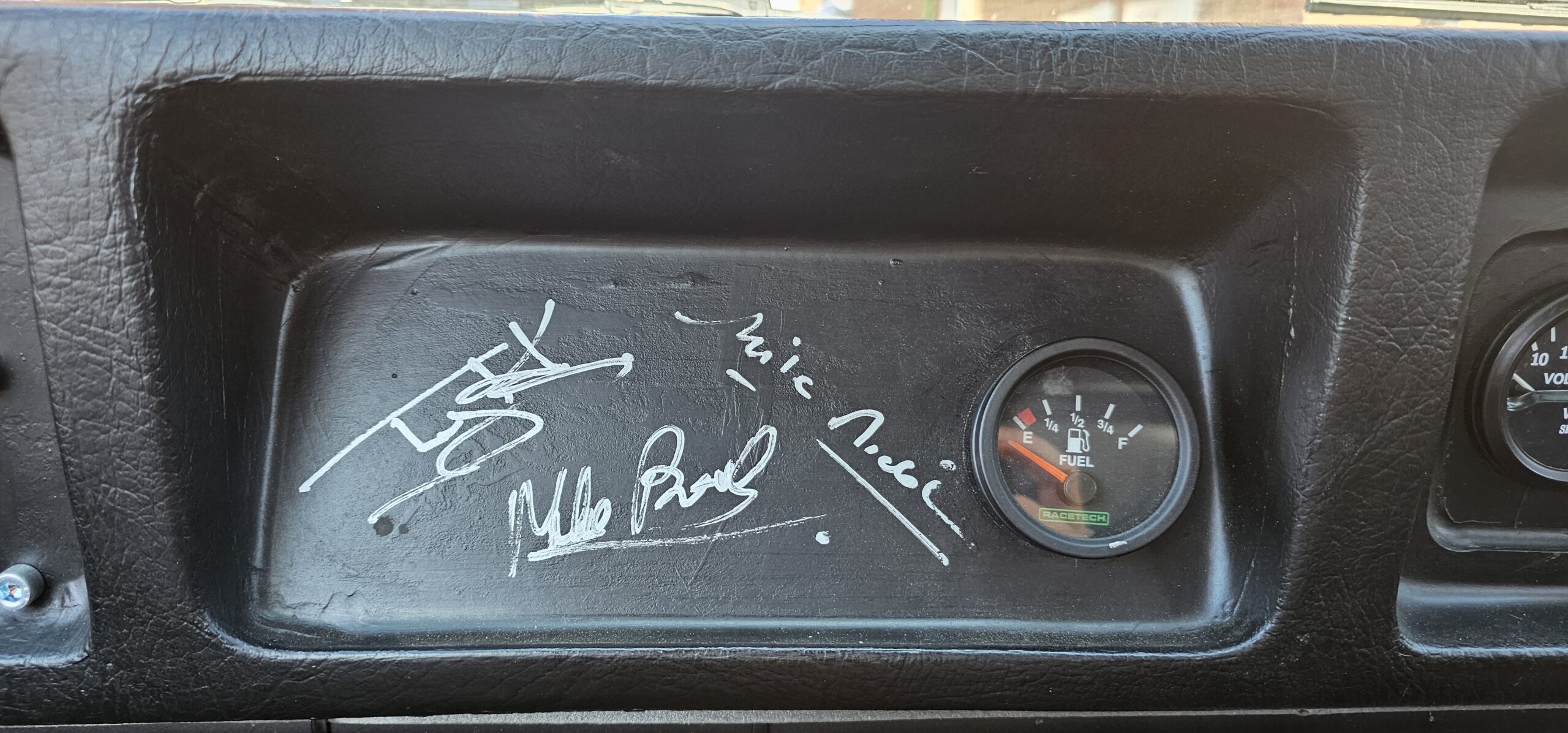
Most importantly, Paul is well-known in classic Vauxhall circles for his Chevette HSR, which was laid-up in a barn for decades, a few years ago.
It was an original rally entered car, which he has spent years returning to its former glory.
He now regularly races the car at events across the country, and has reunited it with one of the former team drivers.
The ex DTV team manager Gerry Johnstone has also given Paul’s Chevette his seal of approval, as the two have been friends for a long time.
Paul believes the Chevette’s simple suspension and great balance helped take on Ford and makes a popular classic too.
“With only 400 Chevette HS and 38 HSRs ever built, the Chevette is a desirable and competitive classic.
“It still is sought after today, especially being as rare as it is.”
He also said that it “was seen as a perfect, affordable small family car, with sleek aerodynamic styling.”
Chevette Legacy
The Chevette lived much longer than the Opel Kadett on which it was based, with production of the slimmed down range ending in 1984.
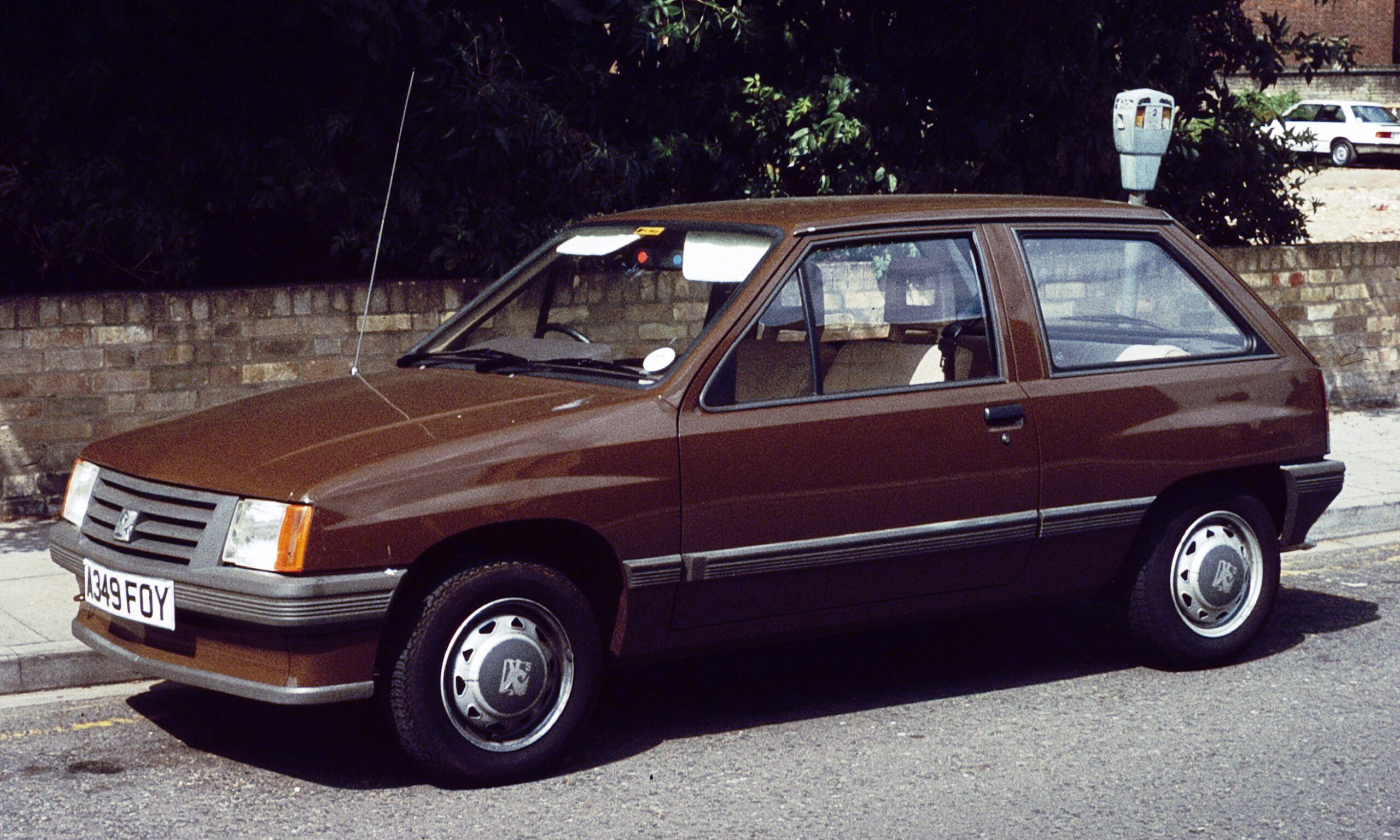
It was essentially replaced a year earlier by the all-new, front-wheel-drive Nova, which did not have any specific styling or engineering elements to differentiate from Opel’s Corsa.
The Nova maintained Vauxhall’s reputation for cheap, reliable small cars, with the GTE hot hatch taking over from the HS.
It was still one of the best-selling cars in the UK when it was replaced in 1992.
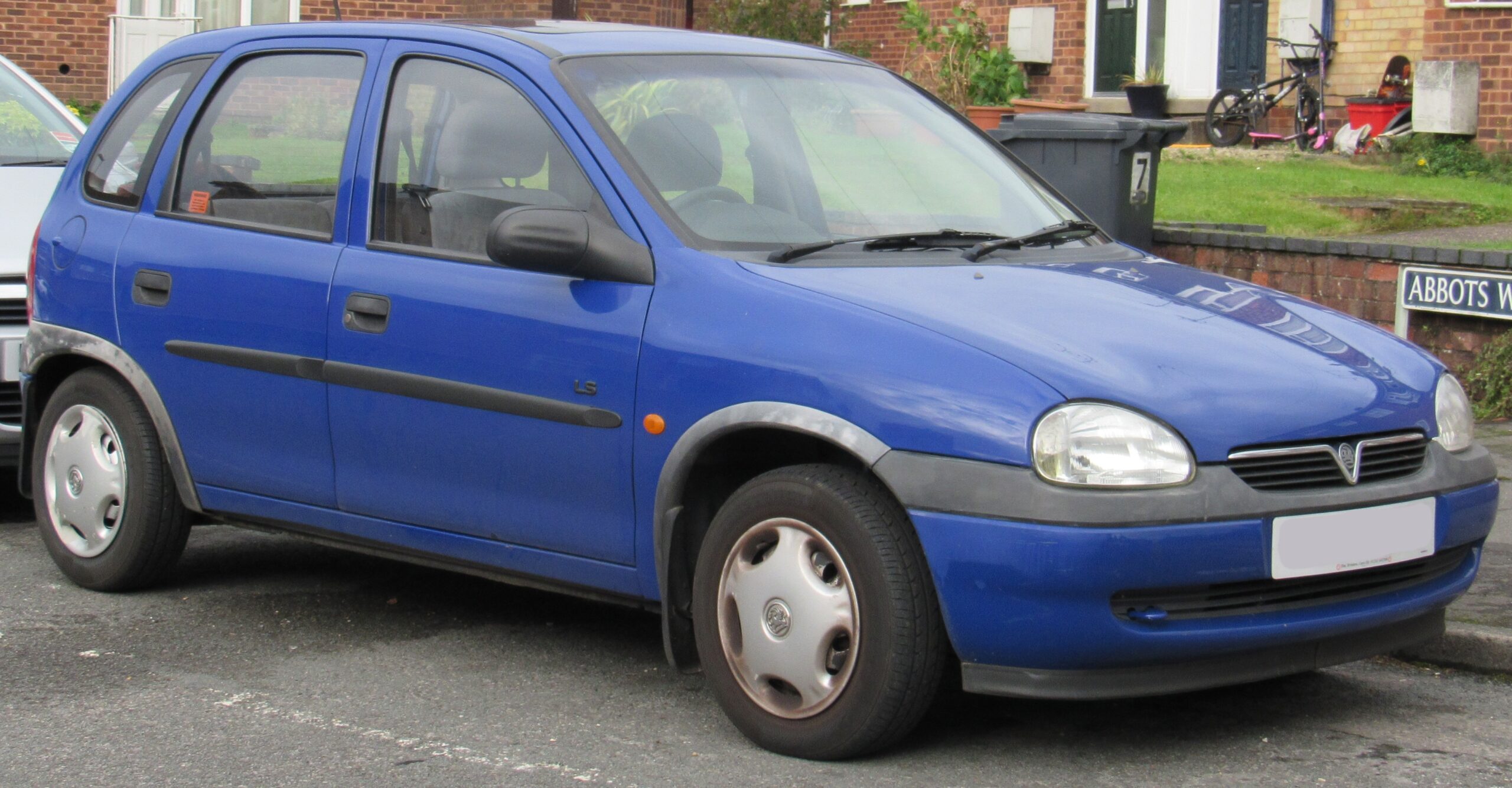
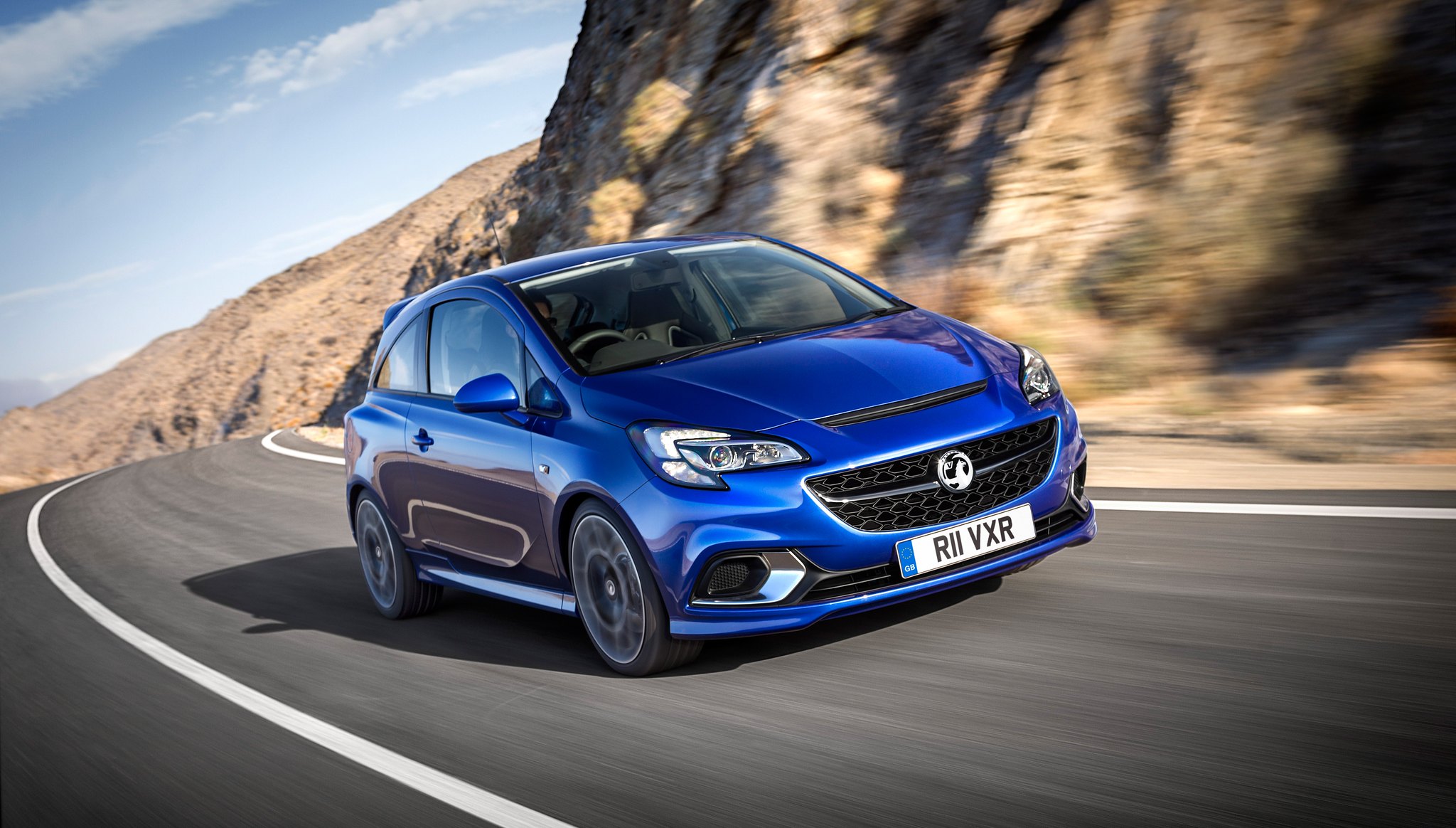
The Corsa that replaced the Nova is the most successful Vauxhall of all time in chart terms.
Ford ruled the UK sales charts for years, with various cars: the Escort, Focus and most recently the Fiesta.
Although the latter has recently been discontinued, the Corsa was finally able to outsell it, and top the UK sales charts for the first time.
It is also one of the most prolific cars on the roads, popular with all types of drivers.
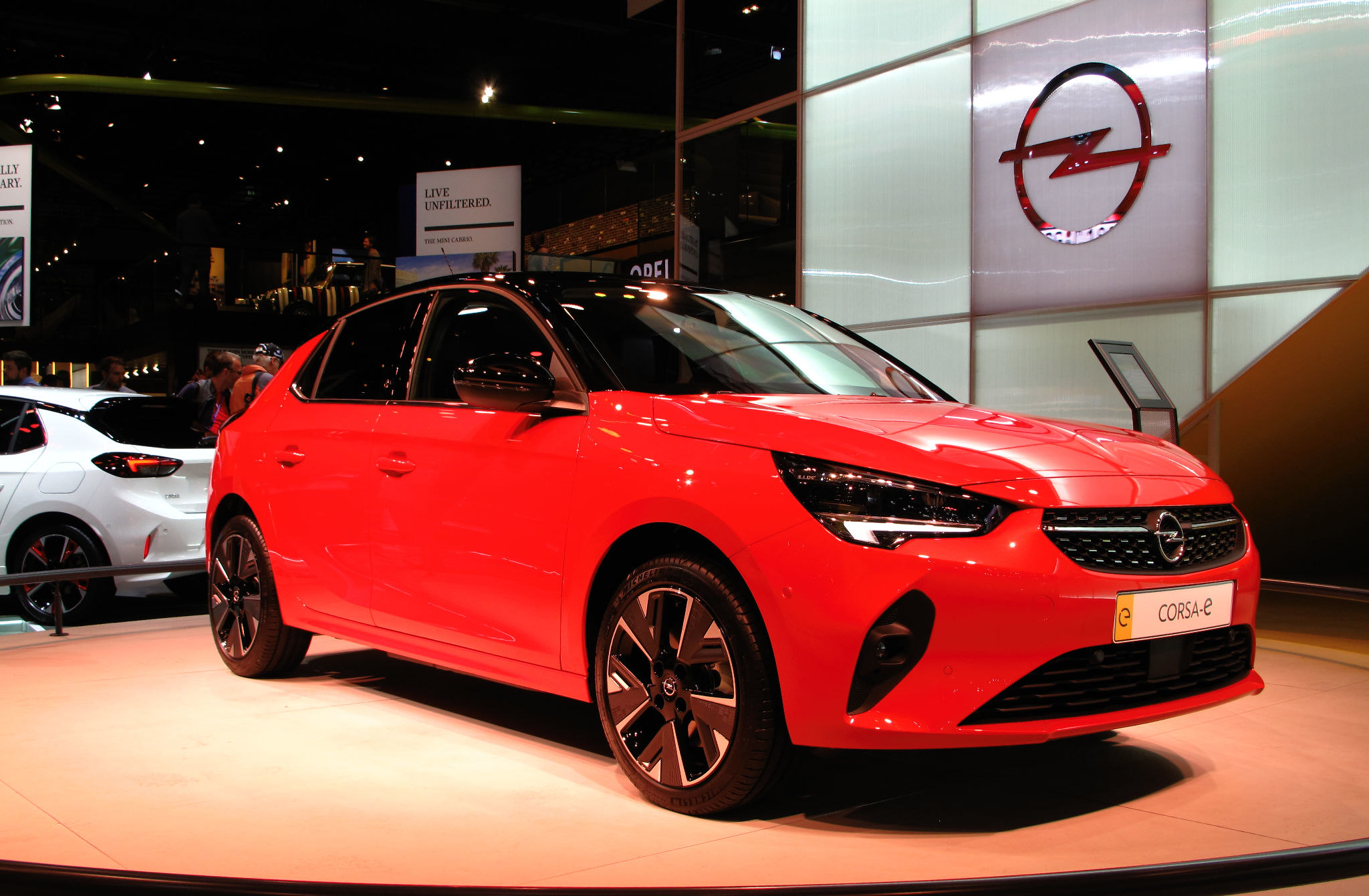
When you add all of this together, you realise the Chevette’s legacy is much greater than its significance in the day.
As Keith Adams puts it: “Buyers didn’t need an excuse to buy one.” He too believes the Chevette is an unsung hero.
A cheap small runaround gave birth to a huge culture of modified Vauxhalls, David and Goliath like battles against the might of Ford, both on the rally stages and the dealer forecourts.
It gave people new-found independence, took students to previously unachievable places, helped small businesses get themselves off the ground.
Most importantly, the UK fell in love with this unassuming little car, and even more so with its descendants, and that’s why the Chevette deserves far more credit than it gets.
For more information on buying a Chevette, Classics World have created an online buyers guide which can be found here.